
Mastering the Art of the Athlete Recovery Stretch
Why Every Athlete Needs Recovery Posture Stretches
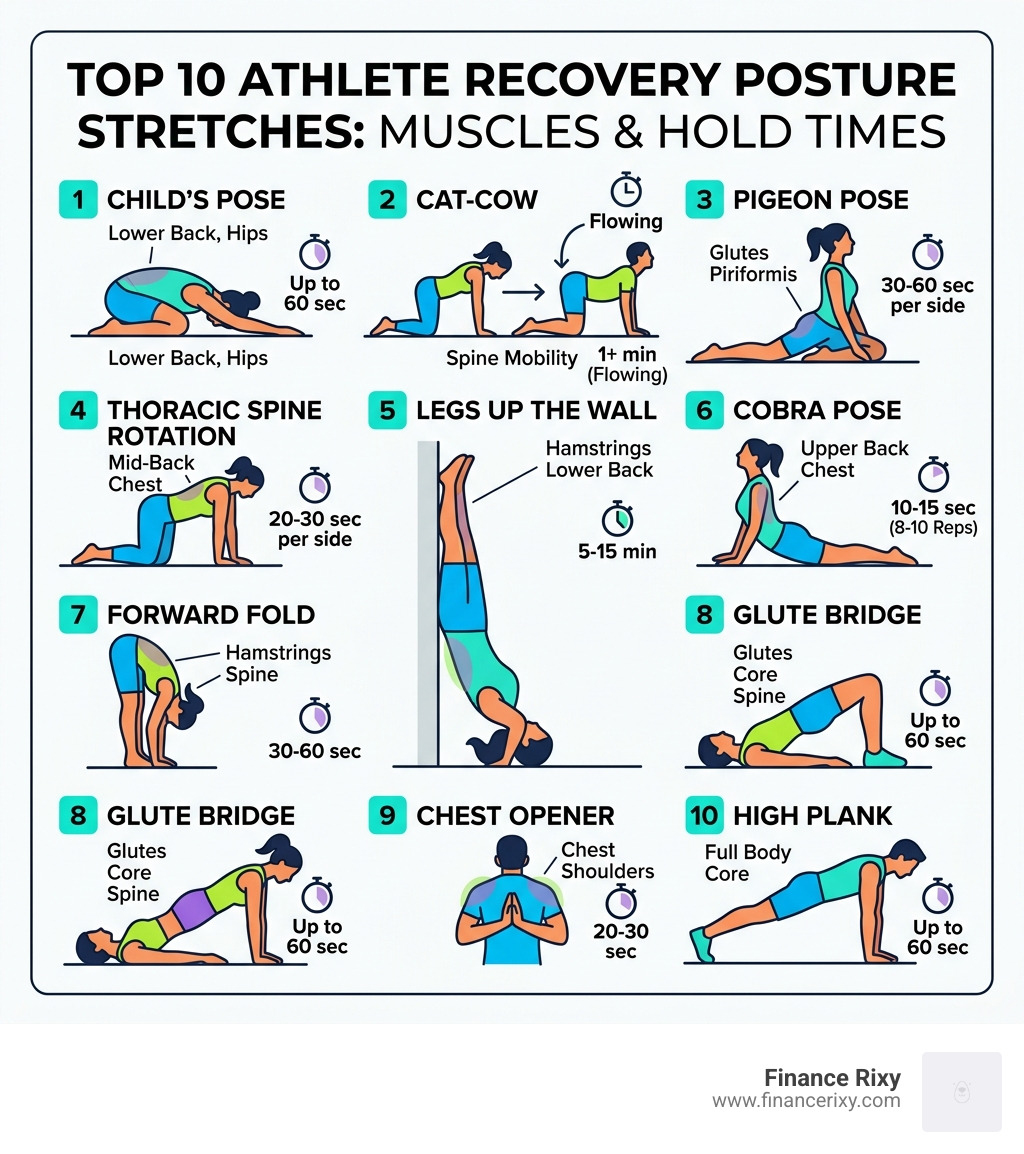
Athlete recovery posture stretches are targeted movements that realign your spine, release tight muscles, and restore your body’s natural balance after intense physical activity.
Here’s a quick overview of the most effective ones:
| Stretch | Target Area | Hold Time |
|---|---|---|
| Child’s Pose | Lower back, hips | Up to 60 sec |
| Cat-Cow | Spine mobility | 1+ min (flowing) |
| Pigeon Pose | Glutes, piriformis | 30-60 sec per side |
| Thoracic Spine Rotation | Mid-back, chest | 20-30 sec per side |
| Legs Up The Wall | Hamstrings, lower back | 5-15 min |
| Cobra Pose | Upper back, chest | 10-15 sec, 8-10 reps |
| Forward Fold | Hamstrings, spine | 30-60 sec |
| Glute Bridge | Glutes, core, spine | Up to 60 sec |
| Chest Opener | Chest, shoulders | 20-30 sec |
| High Plank | Full body, core | Up to 60 sec |
Most athletes focus hard on training. Recovery? Not so much.
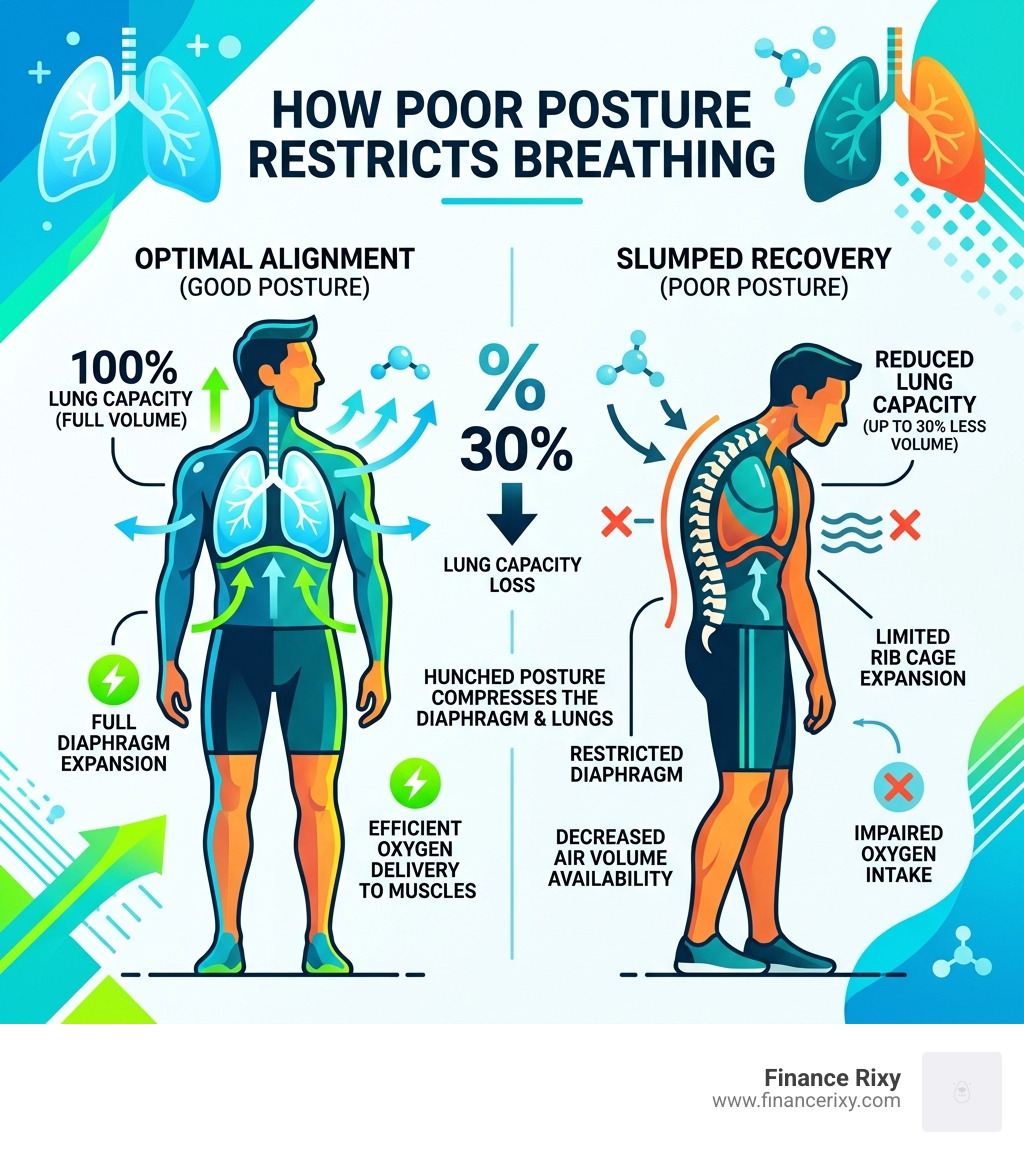
That’s a problem — because how you recover is just as important as how you train. Poor posture during recovery doesn’t just look bad. It can restrict your lung capacity by up to 30%, reduce your power output, and quietly set the stage for overuse injuries.
The good news: a consistent routine of posture-focused stretches can reverse these effects. Research backs a combined approach — stretching, strengthening, and spinal mobility work — as the most effective path to better alignment and faster recovery.
And it doesn’t take hours. Even 10-15 minutes after a workout can make a real difference.
Why Posture is the Foundation of Athletic Performance
When we talk about performance, we often think of speed, strength, and endurance. But posture is the silent engine driving all three. In elite sports in April 2026, we’ve realized that a “slumped” recovery is a slow recovery.
The Pulmonary Impact: Breathing for Power
Did you know that poor posture can restrict your pulmonary capacity by up to 30%? When you hunch forward—a common position after an exhausting sprint or heavy lift—you compress your diaphragm and rib cage. This restriction limits oxygen delivery to your working muscles exactly when they need it most for repair. Maintaining an upright, aligned spine ensures your lungs can expand fully, maximizing the oxygen-rich blood flow that flushes out metabolic waste and reduces inflammation.
Mechanical Efficiency and Force Production
Good posture isn’t just about standing tall; it’s about movement economy. When your joints are stacked correctly, your body produces force more efficiently. If your pelvis is tilted or your shoulders are rounded, your muscles have to work harder just to keep you stable. This leads to premature fatigue and “energy leaks.” By prioritizing athlete recovery posture stretches, we help ensure that every ounce of energy you expend goes toward your sport, not toward fighting your own biomechanical imbalances.
Preventing Musculoskeletal Disorders
Chronic poor posture during the “off” hours—like sitting at a desk or slouching on the couch—can lead to long-term musculoskeletal disorders. For athletes, this often manifests as recurring back pain or joint degeneration. According to 12 Exercises to Improve Your Posture, a combination of exercises that strengthen and lengthen the spine is essential for developing the balance required to reduce injury risks.
Top 10 Athlete Recovery Posture Stretches for Peak Performance
To help you get started, we’ve curated the top 10 evidence-based athlete recovery posture stretches. These movements focus on the “restorative” side of training, helping to shift your body from a stressed, sympathetic state into a relaxed, parasympathetic state.
- Child’s Pose (Balasana): This is a classic for a reason. It gently stretches the lower back, hips, and thighs. By focusing your breath into your back ribs, you encourage the spine to decompress.
- Cat-Cow: This dynamic flow increases spinal mobility and “massages” the vertebrae. It’s excellent for relieving the tension that builds up in the mid-back during high-impact sports.
- Pigeon Pose: Tight glutes and piriformis muscles can pull the pelvis out of alignment. This stretch targets those deep hip muscles, which is vital for anyone from runners to weightlifters.
- Thoracic Spine Rotation: This move opens up the mid-back and chest. Poor thoracic mobility is a leading cause of shoulder and neck pain in athletes.
- Legs Up The Wall (Viparita Karani): A “gentle inversion” that reverses blood flow, reduces swelling in the legs, and calms the nervous system. Stay here for 5 to 15 minutes for maximum benefit.
- Forward Fold: Great for the entire posterior chain (hamstrings, calves, and back). Let your head and neck hang heavy to release cervical tension.
- Glute Bridge: While often seen as a strength move, holding a bridge helps reset the pelvis and activates the glutes, which are often “turned off” by long periods of sitting.
- Cobra Pose: This counters the “hunch” by strengthening the upper back and stretching the abdominal wall and chest.
- Chest Opener: Stand in a doorway or use a wall to stretch the pectorals. This is essential for overhead athletes whose chest muscles often shorten and pull the shoulders forward.
- High Plank: Planks build the isometric strength needed to maintain good posture throughout the day. Focus on a straight line from head to heels.
For more restorative ideas, check out these 7 Yoga Poses for Muscle Recovery for Athletes – Yoga Journal.
How to Perform Athlete Recovery Posture Stretches Correctly
Performing these stretches is about quality, not just checking a box. If you rush through them, you might actually increase muscle tension rather than releasing it.
- Spine Lengthening: In every pose, imagine a string pulling the crown of your head away from your tailbone. This creates space between the vertebrae.
- Core Engagement: Even during a stretch, a “soft” engagement of the core protects your lower back. Think about pulling your belly button slightly toward your spine.
- Hold Times: For recovery, static stretches should be held for 30–60 seconds. This gives the nervous system time to signal the muscle to actually relax.
- Deep Nasal Breathing: This is our secret weapon. Slow, deep breaths through the nose activate the vagus nerve, which tells your body it’s safe to recover.
- Use Props: Don’t be afraid to use yoga blocks, resistance bands, or even a stack of books. Props help you achieve the correct alignment without straining, especially if you have limited flexibility.
Integrating Athlete Recovery Posture Stretches into Your Daily Routine
Consistency is the name of the game. You won’t fix years of slouching in one session. Research suggests it takes 4-8 weeks of consistent training to develop new muscle patterns and 3-6 months for these patterns to become automatic during performance.
| Feature | Static Recovery Stretches | Dynamic Warm-up Stretches |
|---|---|---|
| Goal | Relaxation & Realignment | Preparation & Blood Flow |
| Timing | Post-workout / Before Bed | Pre-workout |
| Intensity | Low (Restorative) | Moderate (Active) |
| Duration | 30-60 second holds | 2-5 second movements |
| Nervous System | Parasympathetic (Calm) | Sympathetic (Alert) |
We recommend a 10-15 minute session daily. Many athletes find that doing these stretches before bed helps them sleep better by lowering cortisol levels and physically “undoing” the day’s stressors.
Sport-Specific Posture Recovery Strategies
Different sports create different postural imbalances. Tailoring your athlete recovery posture stretches to your specific discipline can accelerate your progress.
Runners and Cyclists
These athletes often suffer from “shortened” hip flexors and a forward-leaning head posture.
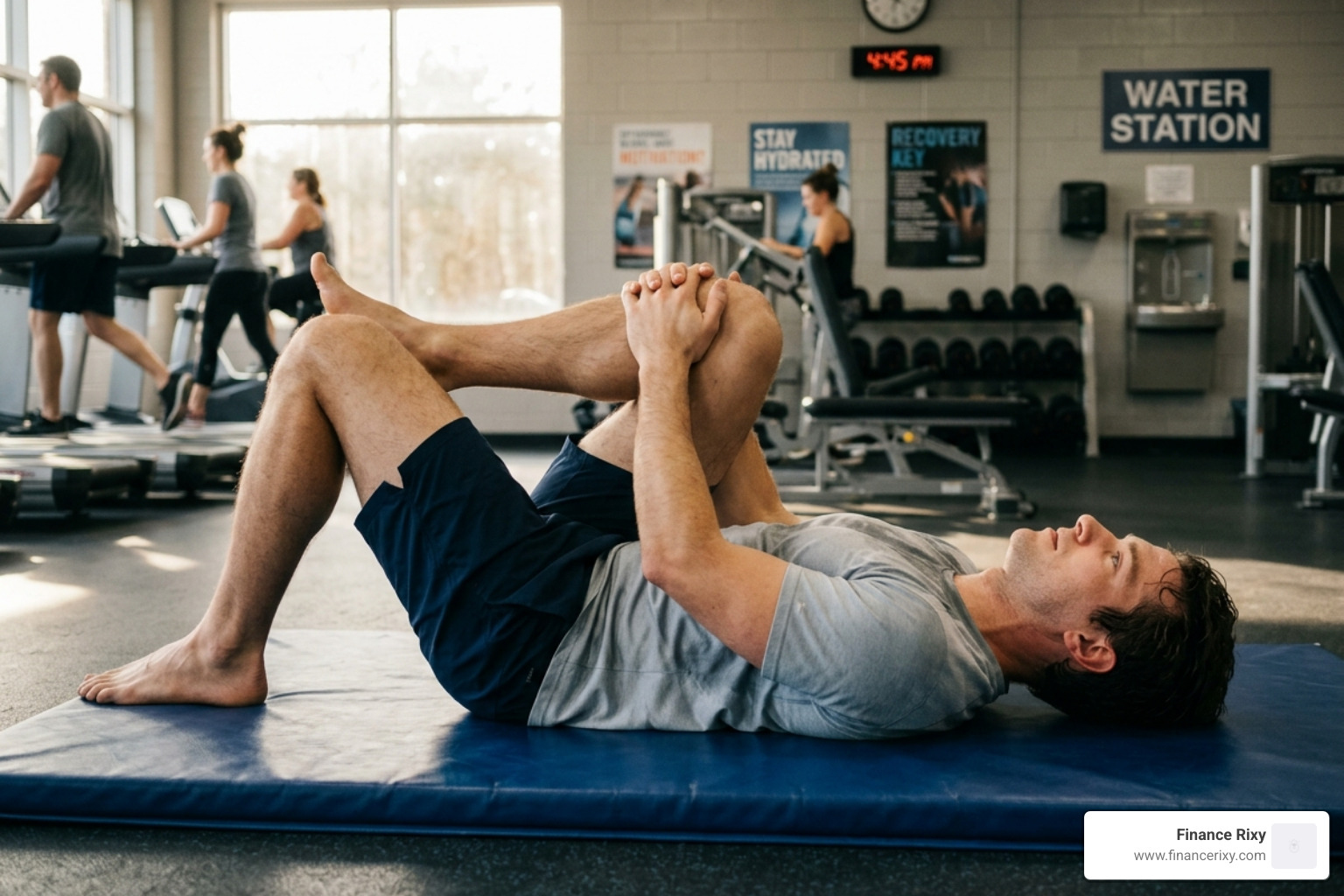
- Focus: Lying hip flexor stretches and “Knees-to-Chest” to relieve lower back pressure.
- Pro Tip: Use the “Legs Up The Wall” pose after a long run to drain lymphatic fluid and reduce heaviness.
Weightlifters and Powerlifters
Heavy lifting can lead to a very “stiff” thoracic spine and tight lats.
- Focus: Thoracic extensions over a foam roller and “Cobra Pose” to maintain spinal extension.
- Insight: Good posture helps develop the balance and strength needed to reduce the risk of spinal injuries.
Overhead Athletes (Baseball, Tennis, Swimming)
These sports often lead to “scapular dyskinesis” (where the shoulder blades don’t move correctly) and rounded shoulders.
- Focus: Wall slides and “Chest Openers” are critical to keep the shoulders from migrating forward.
- Reference: Check out 9 Exercises to Improve Your Posture for more targeted overhead mobility work.
Contact Sports (Football, Rugby)
Contact athletes often develop protective, hunched postures and asymmetrical hip alignments due to the nature of their impacts.
- Focus: “Cat-Cow” for spinal fluidity and “Pigeon Pose” to reset the hips.
Frequently Asked Questions about Athlete Recovery Posture Stretches
Can posture stretches prevent recurring sports injuries?
Yes! Many overuse injuries, like runner’s knee or rotator cuff tendonitis, stem from postural imbalances. When your body is out of alignment, certain tissues take on more stress than they were designed for. By using athlete recovery posture stretches to restore biomechanical balance, you reduce the “wear and tear” on your joints and build long-term resilience.
How quickly will I see improvements in my athletic posture?
You’ll likely feel immediate tension relief after just one session. However, for structural changes, you should look at a 4-8 week window. This is the time required for neuromuscular adaptation—basically, your brain learning how to hold your muscles in a new way. For these patterns to become automatic during the heat of competition, expect it to take 3-6 months of regular practice.
Can I correct years of poor posture through recovery stretching?
It is absolutely possible to make significant improvements. While you might not “undo” every structural change instantly, stretching and strengthening the muscles around the spine can lead to “spinal remodeling” over time. The key is habitual awareness. We suggest combining stretches with “posture check-ins” throughout the day to reclaim your foundational movement patterns.
Conclusion
At Finance Rixy, we believe that peak physical well-being is built on the foundation of daily habits. Mastering athlete recovery posture stretches is one of the most effective ways to ensure your body stays as strong and resilient as your mind.
Start small: pick three stretches from our list and commit to doing them every day this week. Use video analysis or a simple mirror check to track your progress. As your body awareness grows, you’ll find that you’re not just moving better during your workouts—you’re feeling better in every aspect of your life.
Ready to take the next step in your wellness journey? Improve your physical well-being with Finance Rixy and discover more tips on mobility, posture, and healthy living.
